
Fertility treatment has evolved dramatically over the past few decades. What was once considered a relatively limited field of medicine has developed into a sophisticated area of reproductive healthcare, offering multiple options to individuals and couples facing challenges in conceiving.
At the centre of this evolution is a growing understanding that infertility is not the same for every couple. The causes, medical history, age and reproductive circumstances can differ significantly. As a result, modern fertility care is increasingly moving towards personalised assessment and treatment rather than a standardised approach.
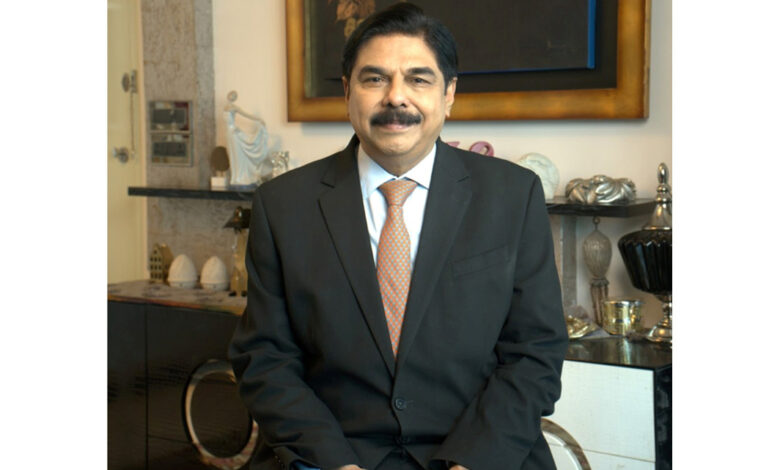
Dr. Hrishikesh Pai, Global IVF Leader, brings more than 40 years of experience in Obstetrics, Gynecology and Reproductive Medicine to this changing landscape. Having performed thousands of IVF and infertility procedures, he has been part of the evolution of assisted reproductive care in India and internationally.
One of the most important changes in reproductive medicine has been the growing emphasis on diagnosis before treatment. Fertility specialists today can evaluate several factors that may influence conception, including ovarian reserve, ovulation, sperm parameters, reproductive anatomy and previous medical history. Understanding these factors can help doctors determine which treatment pathway may be appropriate.
IVF remains an important option for many patients, but fertility care encompasses much more than IVF alone. Depending on the underlying cause, couples may be advised different approaches, ranging from medical management and ovulation-related treatments to assisted reproductive procedures.
The increasing role of laboratory science has further strengthened fertility treatment. Advances in embryo culture, cryopreservation and reproductive technologies have improved the ability of fertility specialists to manage and preserve reproductive material. These developments have also provided patients with greater flexibility in planning their reproductive journeys.
Yet, the success of modern fertility care cannot be measured only through laboratory achievements. Patient experience is equally important. Infertility can affect emotional wellbeing, relationships and everyday life. A fertility clinic therefore needs to provide more than medical procedures. Clear communication, realistic expectations and empathetic support can help patients navigate what can often be an emotionally demanding process.
This broader approach to women’s healthcare is reflected in Dr. Pai’s professional leadership. He has served as President of the Federation of Obstetric and Gynaecological Societies of India (FOGSI) and as Regional Trustee for Asia–Oceania at the International Federation of Gynecology and Obstetrics (FIGO). Such leadership positions reflect the importance of reproductive health within the larger framework of women’s health.
Another important aspect of modern fertility care is awareness. Many people postpone seeking medical advice because of misconceptions surrounding infertility or concerns about treatment. Greater public awareness can encourage individuals to seek timely professional guidance and understand the factors that may influence their reproductive health.
The conversation around fertility is also becoming more open. As awareness increases, infertility is gradually being recognised as a medical condition that deserves professional evaluation rather than a subject surrounded by stigma or misinformation.
Looking ahead, the future of reproductive medicine will likely involve increasingly personalised treatment, better diagnostic tools and continued improvements in assisted reproductive technologies. The integration of medical expertise, laboratory science and patient-centred care can make fertility treatment more informed and responsive to individual needs.
After more than four decades of developments in reproductive medicine, the direction is clear: fertility care is moving beyond simply treating infertility. It is increasingly about understanding the individual, identifying the underlying challenges and creating a treatment journey suited to each patient’s circumstances.
As India continues to advance its reproductive healthcare infrastructure, experienced specialists such as Dr. Hrishikesh Pai, alongside evolving technologies, can play a significant role in making evidence-based fertility care more accessible to those seeking to build their families.